Let’s Talk About Knee Pads
There is a dirty secret in the world of knee pads.
There are many knee pad designs, but nobody explains how their designs work and how they protect your knees. So if your current knee pads aren’t working, there is no way for you to know which design will work better or what design is the best.I think you deserve better. You deserve to know why conventional knee pads always fail, and why the D’s Knees design is better than those designs!
To explain the difference between D’s Knees and conventional knee pads, we need to start with the knee itself. The knee is more complicated than we realize.
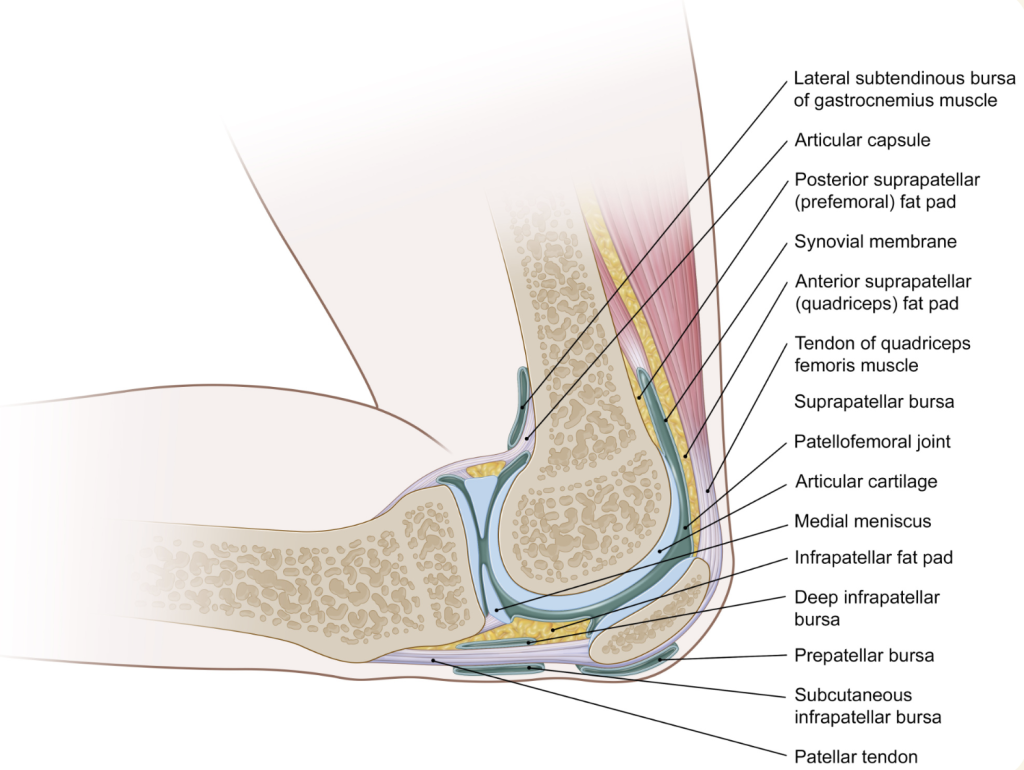
Repetitive kneeling leads to discomfort and pain. The internal structures of the knee are not meant to be compressed by kneeling. Over time the pressure from kneeling can cause injuries to the knee, it can aggravate existing knee injuries, or the knee can simply become sensitive to kneeling pressure.
Knee pad designs all try to look unique, but conventional Knee Pads are just a foam pad. Once we realize this, the only thing left is to understand how foam works and why it has a limited ability to protect our knees. Foam works by increasing surface area on our knee. We think of foam as being soft, but our knees only care about pressure!
When kneeling, pressure is concentrated on a small area of our knee, which can be painful. To reduce this pressure, we need to spread out out over a larger area. Foam is the easiest way to spread out this pressure.
Many knee pads use foam that is too thin and too soft. Everyone prefers a knee pad that is compact, light weight, and inexpensive. So knee pad designs are made with thin and soft foam, which is thin, light weight and inexpensive.
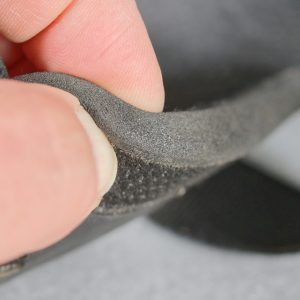
To test foam on a knee pad, squeeze it with your fingers. If you can easily compress the foam with your fingers, it is too soft! It will not support you when you kneel on it.
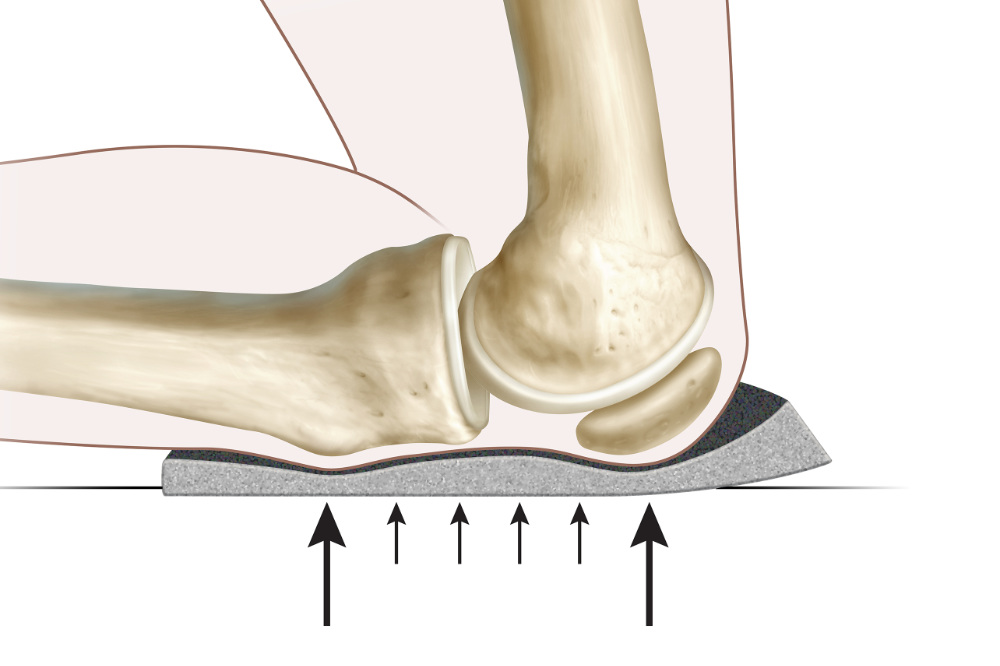
Kneeling pads or knee pads with thick foam are better than thin foam. But the foam needs to be thick and firm! If the thick foam pad is thick enough and firm enouth, it will support your weight without fully compressing.
When this happens, the foam is effectively spreading out pressure. But is this good for your knees?
My worst knee pad experience was with gel knee pads. I originally believed spreading out pressure was good, and I tried a gel pad because gel will spread out pressure better, putting equal pressure everywhere. I expected it to be better than foam, so I was surprised when just putting the gel knee pad on my knee caused significant discomfort! The gel put extra pressure on the sore part of my knee, which was very uncomfortable!
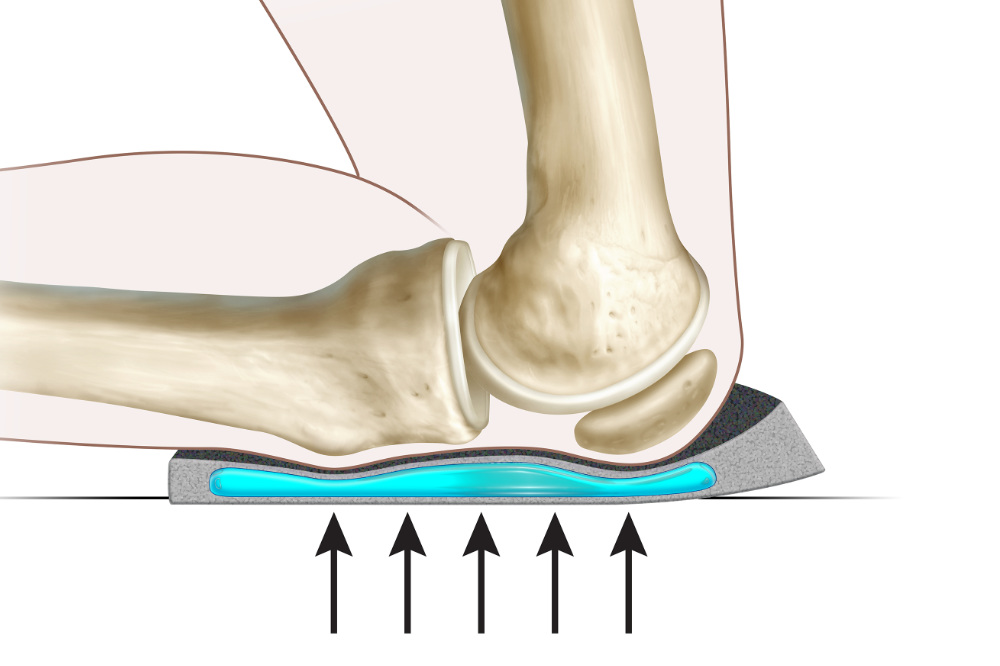
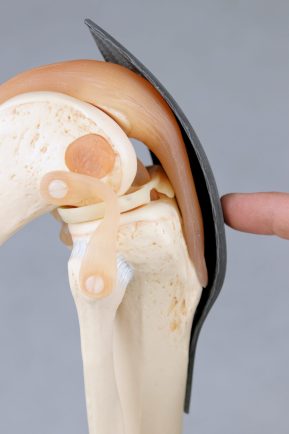
The gel knee pad taught me that the idea of indiscriminately spreading out pressure across a knee that is already sore doesn’t help the knee or solve the problem of kneeling pain. I realized I needed to find a better solution. I realized I need to transfer pressure to parts of my knee that are not sore or sensitive!
My solution is redistributing pressure. To do this,I created a carbon fiber cap that bridges over the front of the knee! This cap protects the soft tissues of the knee, and transfers the pressure to the bones of the knee and leg. Our bones are meant to supporting our weight, so this is a healthy solution. The cap also increases surface area, so it reduces pressure and redistributes pressure!